











Commercial Kitchen Fire Safety in Phoenix, AZ: Your Definitive NFPA 96 & UL 300 Compliance Guide
For every restaurant owner in Phoenix, AZ, ensuring the safety of your kitchen is paramount. Beyond daily operations, understanding and adhering to fire safety codes is not just a legal obligation but a critical investment in protecting your staff, customers, and business. This guide will walk you through the essentials of commercial kitchen fire suppression, focusing on NFPA 96 and UL 300 standards, specifically tailored for the Phoenix foodservice landscape.
Why NFPA 96 Compliance is Critical in Phoenix, AZ
NFPA 96, the 'Standard for Ventilation Control and Fire Protection of Commercial Cooking Operations,' is the bedrock of kitchen fire safety. In Phoenix, the Phoenix Fire Department and Arizona state building codes adopt and enforce these national standards. This means compliance isn't optional; it's a mandatory requirement for obtaining and maintaining your operating permits. Ignoring NFPA 96 can lead to severe consequences, including hefty fines, operational shutdowns, invalidated insurance policies, and, most critically, a heightened risk of devastating fires. From your exhaust hood system to ductwork and fire suppression, every component must meet these rigorous specifications to prevent grease fires from spreading and causing catastrophic damage.
The Importance of Semi-Annual Inspections and UL 300 Standards
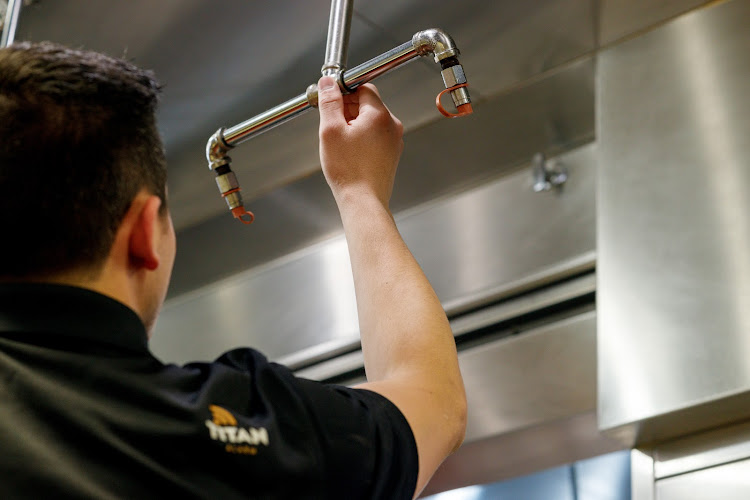
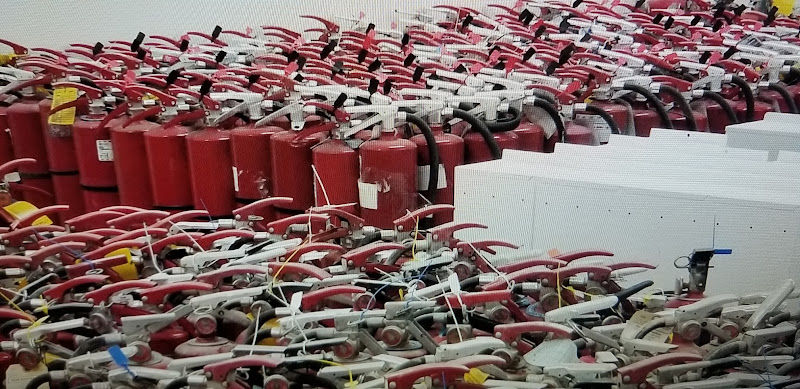
Maintaining your fire suppression system isn't a 'set it and forget it' task. NFPA 96 mandates semi-annual inspections and maintenance by qualified professionals. These inspections ensure that all components – including nozzles, detectors, cylinders, and piping – are in perfect working order. Crucially, your system must comply with UL 300 standards. This standard specifically addresses modern commercial cooking equipment and the high-temperature vegetable oils commonly used today. Older systems, designed for animal fats, may not effectively extinguish these hotter-burning fires, leading to re-ignition. A UL 300 compliant system utilizes specialized Class K extinguishing agents, designed to cool and saponify hot grease, preventing re-flashes. Regular, documented semi-annual inspections are your proof of diligence and a vital safeguard.
Choosing a Local Phoenix Fire Protection Contractor
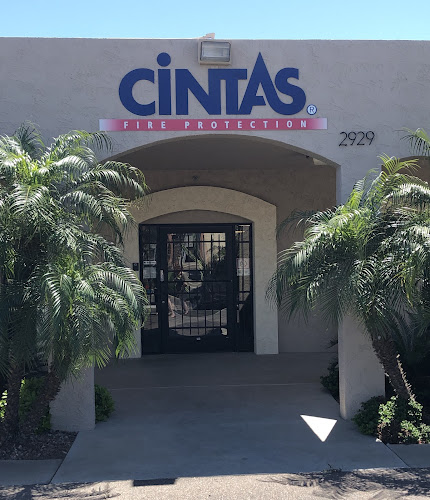
Selecting the right fire protection contractor in Phoenix is a decision that directly impacts your safety and compliance. Look for companies with a proven track record, local licensing, and technicians certified by organizations like NICET (National Institute for Certification in Engineering Technologies). These professionals understand the nuances of Phoenix's specific fire codes and can ensure your system is installed, inspected, and maintained correctly. Reputable contractors will work with industry-leading brands such as ANSUL, Amerex, Kidde, and Range Guard, ensuring you have reliable, high-quality equipment. When vetting potential partners, inquire about their experience with commercial kitchens, their emergency response capabilities, and their ability to provide comprehensive documentation for your records. Many Phoenix-based companies specialize in these critical services, offering tailored solutions for your restaurant's unique needs.
Conclusion: Prioritizing the Safety of Staff and Customers
Ultimately, your commitment to NFPA 96 and UL 300 compliance, coupled with diligent semi-annual inspections and a trusted local contractor, forms the bedrock of a safe commercial kitchen. It's about more than just avoiding penalties; it's about creating a secure environment for your employees, protecting your valuable assets, and ensuring the continued enjoyment and safety of your customers. In the bustling culinary scene of Phoenix, proactive fire safety is not just good business practice – it's essential for peace of mind and long-term success.