






San Diego Restaurant Owner's Definitive Guide to Commercial Kitchen Fire Safety & NFPA 96 Compliance
San Diego's vibrant culinary scene is a cornerstone of our city's culture and economy. From bustling Gaslamp Quarter eateries to charming coastal cafes, each restaurant plays a vital role. However, with the joy of serving delicious food comes the serious responsibility of ensuring a safe environment for your staff and patrons. Commercial kitchens, with their high heat, open flames, and grease-laden vapors, present unique fire hazards that demand rigorous attention to safety standards. This guide will walk San Diego restaurant owners through the critical aspects of kitchen fire suppression and compliance, focusing on local requirements and best practices.
Why NFPA 96 Compliance is Non-Negotiable in San Diego, CA
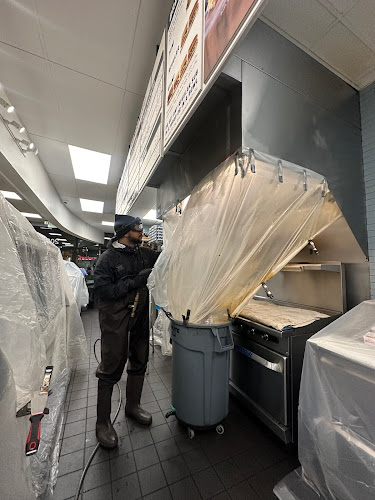
The National Fire Protection Association (NFPA) Standard 96, "Standard for Ventilation Control and Fire Protection of Commercial Cooking Operations," is the bedrock of commercial kitchen fire safety. In San Diego, adherence to NFPA 96 isn't just a suggestion; it's a mandatory requirement enforced by the San Diego Fire-Rescue Department and local building codes. This standard covers everything from the design and installation of exhaust systems (hoods, ducts, fans) to the maintenance and inspection of fire suppression systems. Non-compliance can lead to severe penalties, including fines, operational shutdowns, and, most critically, catastrophic fires that endanger lives and livelihoods. Understanding and implementing NFPA 96 is your first line of defense against kitchen fires and ensures your establishment meets all local safety mandates.
The Critical Role of Semi-Annual Inspections and UL 300 Standards
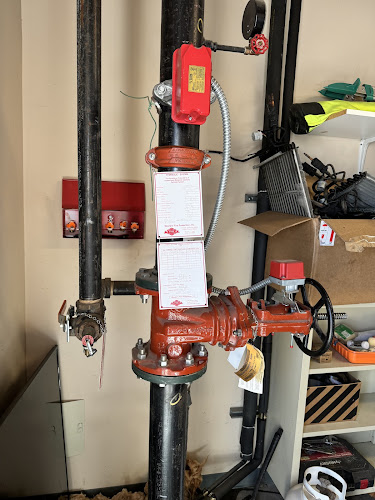
Modern commercial kitchens require modern fire suppression solutions. The UL 300 standard specifically addresses pre-engineered wet chemical fire suppression systems, which are designed to combat the unique challenges of today's high-efficiency cooking appliances and vegetable oil fires. If your restaurant was built or significantly renovated after 1994, your system is almost certainly required to be UL 300 compliant. Beyond initial installation, semi-annual inspections are paramount. These mandatory inspections, typically conducted every six months, ensure that your entire fire suppression system – including nozzles, detectors, cylinders, and piping – is fully operational and ready to deploy in an emergency. Regular maintenance prevents system failures, keeps you compliant with San Diego regulations, and provides peace of mind.
Choosing a Reputable Local Contractor for Your San Diego Restaurant
Selecting the right fire protection contractor is a critical decision. You need a partner who understands both national standards like NFPA 96 and UL 300, as well as specific San Diego Fire-Rescue Department requirements. Look for contractors with proven experience in commercial kitchen fire suppression systems. They should be licensed, insured, and employ certified technicians. Industry-leading brands like ANSUL and Amerex are widely recognized for their reliable and effective fire suppression systems, and a good contractor will be authorized to install, inspect, and service these and other reputable brands. Don't hesitate to ask for references and verify their credentials. A local San Diego contractor will also be more responsive to emergency service needs and familiar with the nuances of local permitting and inspection processes.
Prioritizing Safety: Protecting Your Staff, Customers, and Investment
Ultimately, investing in a robust, compliant commercial kitchen fire suppression system is an investment in the safety of everyone who walks through your doors. A well-maintained system protects your employees from injury, safeguards your customers, and preserves your valuable business assets. Beyond the legal and financial implications, knowing that you've taken every precaution to prevent a fire provides invaluable peace of mind. Make fire safety a top priority in your San Diego restaurant, and you'll not only meet regulatory requirements but also foster a secure and thriving environment for years to come.