




San Jose Restaurant Owner's Guide: Mastering Commercial Kitchen Fire Safety & NFPA 96 Compliance
Operating a commercial kitchen in San Jose, CA, comes with significant responsibilities, not least of which is ensuring the highest standards of fire safety. Beyond protecting your valuable investment, strict adherence to fire codes is paramount for the safety of your staff, customers, and the continued operation of your business. This guide provides San Jose restaurant owners with a clear understanding of critical fire safety regulations and best practices.
Why NFPA 96 Compliance is Critical in San Jose, CA
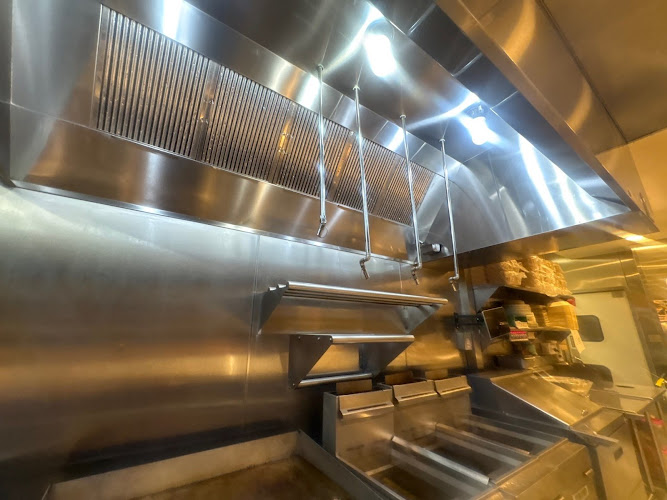
NFPA 96, the Standard for Ventilation Control and Fire Protection of Commercial Cooking Operations, is the cornerstone of kitchen fire safety. While a national standard, its enforcement is handled at the local level by the San Jose Fire Department. Non-compliance isn't just a risk; it can lead to hefty fines, operational shutdowns, and, in the worst-case scenario, devastating fires. The San Jose Fire Department rigorously inspects commercial kitchens to ensure that exhaust systems, cooking equipment, and fire suppression systems meet NFPA 96 requirements. This includes proper clearance to combustibles, regular cleaning of grease-laden exhaust systems, and functional fire suppression systems.
The Importance of Semi-Annual Inspections and UL 300 Standards
Your kitchen's fire suppression system is your first line of defense against a grease fire. To ensure it's always ready, NFPA 96 mandates semi-annual inspections by a qualified professional. These inspections are not merely a formality; they are crucial for verifying that all components are operational, free from damage, and correctly calibrated.
Furthermore, modern commercial kitchen fire suppression systems must comply with UL 300 standards. This standard specifically addresses the unique challenges of modern cooking appliances that use hotter, longer-burning oils. A UL 300 compliant system uses wet chemical agents designed to cool the fire and create a foam blanket, preventing re-ignition. If your system predates UL 300 (typically pre-1994), it's imperative to upgrade to meet current safety requirements and San Jose's local fire codes.
Choosing a Local Contractor for Your San Jose Kitchen
Selecting the right fire protection contractor is a critical decision. You need a local partner in San Jose who understands both national standards and local enforcement nuances. Look for contractors with certified technicians experienced in commercial kitchen fire suppression systems. They should be able to install, inspect, and maintain systems from industry-leading brands like ANSUL and Amerex, which are renowned for their reliability and effectiveness. A reputable contractor will provide comprehensive services, including system design, installation, regular inspections, and emergency repairs, ensuring your kitchen remains compliant and safe year-round. Always verify their licenses, certifications, and references.
Prioritizing Safety: Protecting Your Staff and Customers
Ultimately, investing in robust fire safety measures and maintaining NFPA 96 and UL 300 compliance is an investment in the well-being of everyone who steps into your San Jose establishment. A well-maintained fire suppression system and a clean exhaust hood system provide peace of mind, knowing you've taken every precaution to prevent a catastrophic event. Prioritizing fire safety protects your business, your livelihood, and, most importantly, the lives of your dedicated staff and valued customers.