































New York City Restaurant Fire Safety: Your Definitive Guide to NFPA 96 & UL 300 Compliance
Operating a restaurant in New York City is a dynamic and rewarding endeavor, but it comes with significant responsibilities, especially concerning fire safety. In a city as dense and regulated as NYC, understanding and adhering to commercial kitchen fire codes isn't just good practice—it's absolutely critical for the safety of your staff and customers, and the very survival of your business.
Why NFPA 96 Compliance is Non-Negotiable in New York, NY
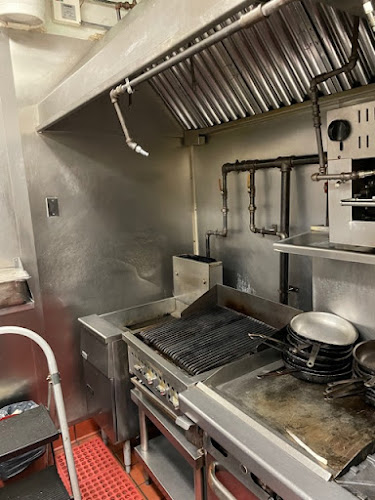
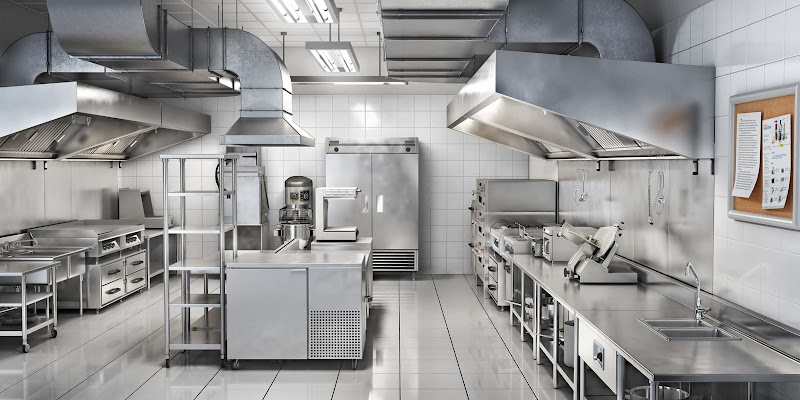
NFPA 96, the "Standard for Ventilation Control and Fire Protection of Commercial Cooking Operations," is the bedrock of fire safety for commercial kitchens across the United States. In New York City, the Fire Department of New York (FDNY) rigorously enforces these standards, often supplementing them with additional local regulations. This means that every aspect of your kitchen's exhaust system, from the hood to the ductwork, and crucially, your fire suppression system, must meet NFPA 96 requirements.
Non-compliance in NYC isn't just a minor oversight; it can lead to severe penalties, including hefty fines, immediate operational shutdowns, and even criminal charges in the event of a fire. Beyond the legal ramifications, a fire can devastate your business, leading to extensive property damage, loss of income, and irreparable harm to your reputation. For NYC restaurants, where space is at a premium and regulations are stringent, proactive compliance is your best defense.
The Critical Role of Semi-Annual Inspections and UL 300 Standards
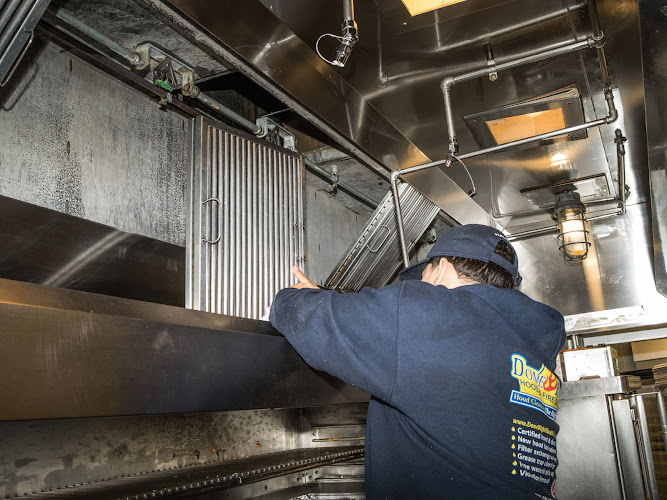
Maintaining your fire suppression system isn't a one-time task; it's an ongoing commitment. NFPA 96 mandates semi-annual inspections (at least every six months) by a qualified professional. These inspections are vital to ensure your system is fully operational, free from defects, and ready to activate instantly should a fire occur. Regular maintenance catches potential issues before they escalate, preventing system failures when you need them most.
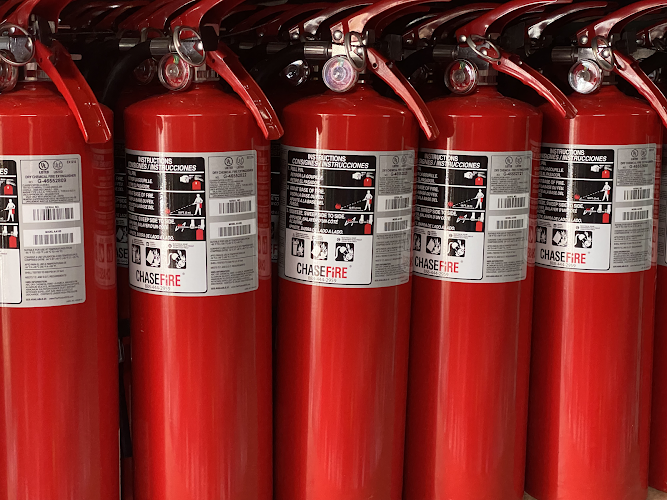
Furthermore, your fire suppression system must comply with UL 300 standards. This standard specifically addresses wet chemical fire suppression systems, which are designed to combat fires involving modern, high-temperature cooking oils and fats. Older dry chemical systems are largely obsolete for commercial kitchens and are often required to be upgraded to UL 300 compliant wet chemical systems, especially for new installations or significant kitchen renovations. The FDNY strictly enforces UL 300 compliance, recognizing that wet chemical agents are far more effective at suppressing grease fires and preventing re-ignition.
Choosing the Right Local Contractor for Your NYC Restaurant
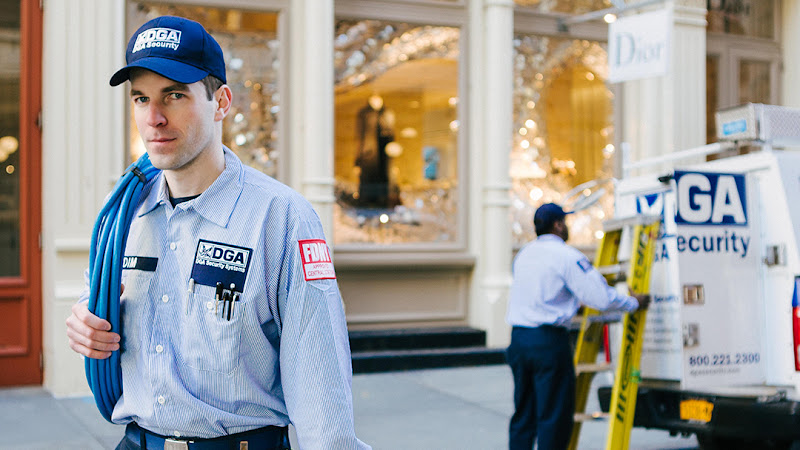
Selecting a qualified fire suppression contractor is paramount. You need a company that not only understands NFPA 96 and UL 300 but is also intimately familiar with the specific nuances of FDNY regulations and the unique challenges of working in New York City. Look for contractors who are:
- FDNY Certified: Ensure they hold the necessary FDNY licenses and certifications.
- Experienced: They should have a proven track record with commercial kitchen systems in NYC.
- Reputable: They should work with industry-leading brands like ANSUL, Amerex, Kidde, or Pyro-Chem, known for their reliability and effectiveness.
- Comprehensive: They should offer services from design and installation to regular inspections and emergency repairs.
Don't hesitate to ask for references, proof of insurance, and details of their certifications. A reliable contractor is your partner in maintaining a safe and compliant kitchen.
Prioritizing Safety: Protecting Your People and Your Business
Ultimately, investing in robust fire safety and diligent compliance is an investment in the well-being of everyone who walks through your restaurant doors. It provides peace of mind, knowing that you've taken every possible step to protect your staff, your customers, and your valuable business assets. In the bustling culinary landscape of New York City, a commitment to fire safety isn't just a regulatory requirement—it's a testament to your dedication to excellence and responsibility.