








Philadelphia Restaurant Fire Safety: Your Definitive Guide to NFPA 96 & Commercial Kitchen Compliance
Running a restaurant in Philadelphia is a demanding venture, filled with culinary passion and operational challenges. Amidst the hustle and bustle, one critical aspect often overlooked until it's too late is comprehensive fire safety. For every commercial kitchen in the City of Brotherly Love, understanding and adhering to fire codes isn't just a recommendation – it's a legal imperative and a moral responsibility. This guide will walk you through the essentials of commercial kitchen fire suppression and NFPA 96 compliance, tailored specifically for Philadelphia's vibrant restaurant scene.
The Cornerstone of Safety: NFPA 96 in Philadelphia
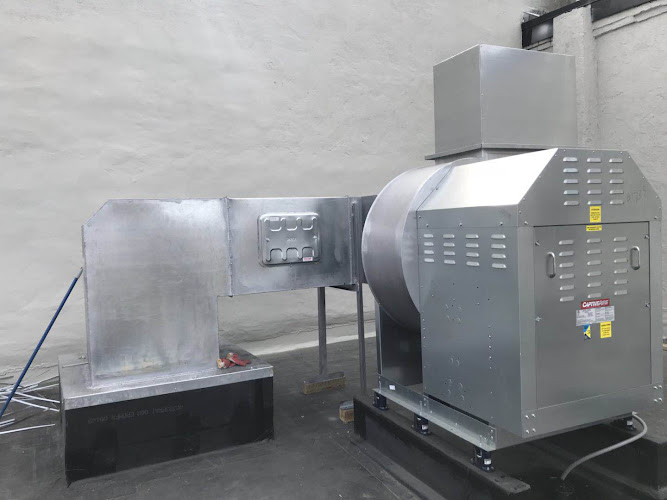
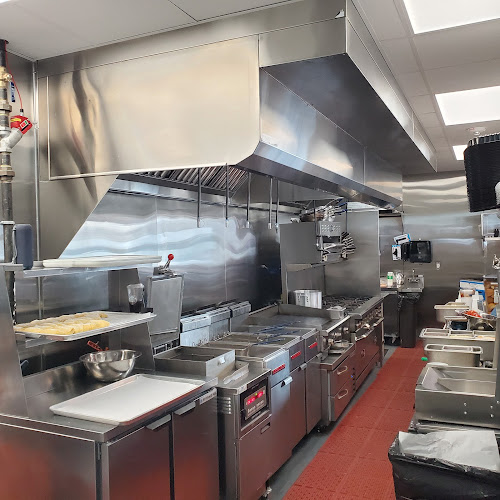
At the heart of commercial kitchen fire safety lies NFPA 96, the "Standard for Ventilation Control and Fire Protection of Commercial Cooking Operations." This isn't just a guideline; it's the bedrock upon which Philadelphia's fire safety regulations for restaurants are built. The City of Philadelphia, like many municipalities, adopts and enforces NFPA 96 to ensure that cooking equipment, exhaust systems, and fire suppression systems are designed, installed, and maintained to minimize fire risks. Non-compliance can lead to severe consequences, including hefty fines, operational shutdowns, invalidated insurance, and, most importantly, catastrophic fires that endanger lives and livelihoods. Protecting your establishment, staff, and patrons starts with a deep understanding and strict adherence to NFPA 96.
Beyond Installation: Ongoing Vigilance with UL 300 & Semi-Annual Inspections
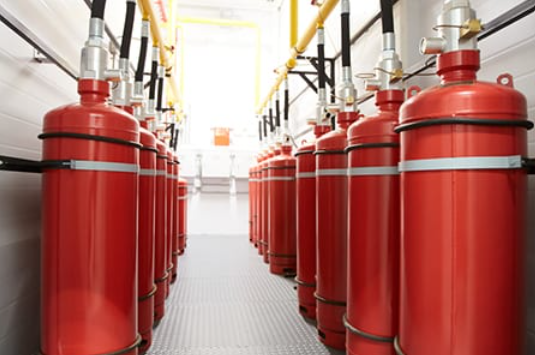
A fire suppression system is not a "set it and forget it" component. Modern commercial kitchens require systems that meet UL 300 standards, which specify the use of wet chemical extinguishing agents designed to combat today's hotter, grease-laden fires. These systems are highly effective, but only if they are properly maintained.
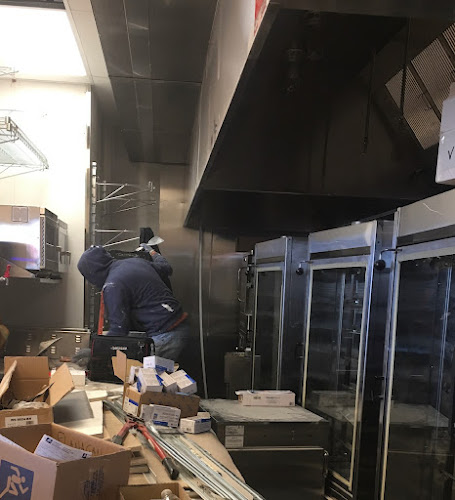
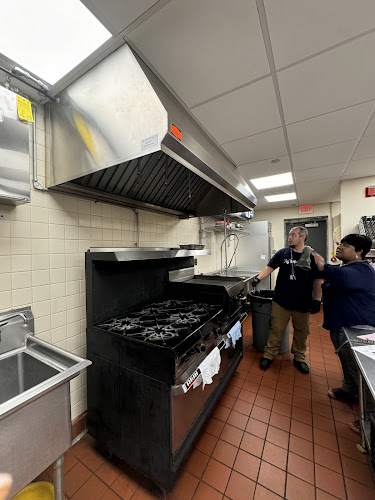
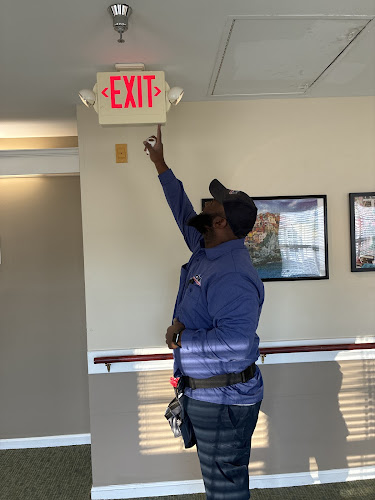
Philadelphia fire codes, in alignment with NFPA 96, mandate semi-annual inspections and maintenance of all commercial kitchen fire suppression systems. These inspections, conducted by certified professionals, ensure that your system is fully operational, all components are intact, and the extinguishing agent is ready to deploy. Skipping these crucial checks can render your system ineffective, leaving your kitchen vulnerable and your business non-compliant. Regular maintenance is an investment in continuous safety and peace of mind.
Partnering for Protection: Selecting Your Philadelphia Fire Safety Contractor
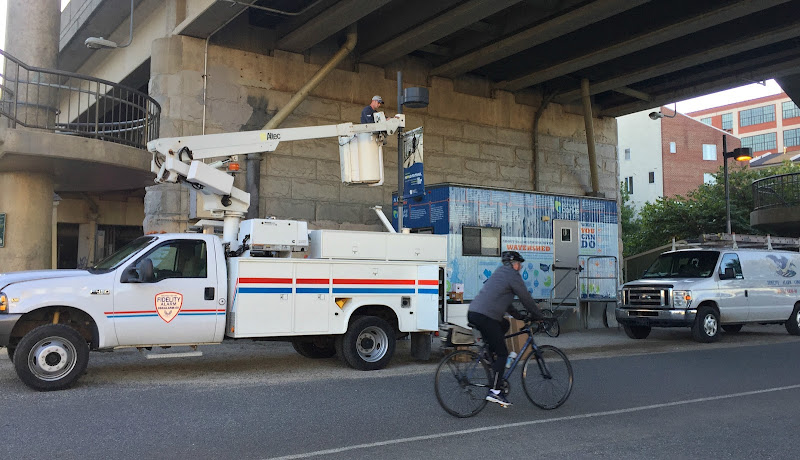
Choosing the right fire safety contractor in Philadelphia is paramount. You need a partner who understands local regulations, possesses the necessary certifications, and has a proven track record. Look for contractors with NICET (National Institute for Certification in Engineering Technologies) certification, indicating a high level of expertise.
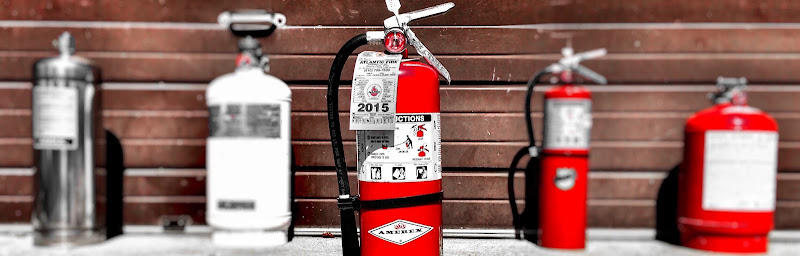
A reputable contractor will be well-versed in installing and servicing systems from industry-leading brands like ANSUL, Amerex, Kidde, Buckeye, Range Guard, Pyro-Chem, and ProTex II. These brands are synonymous with quality and reliability in fire suppression. Ensure your chosen contractor is licensed to operate in Pennsylvania and Philadelphia, and can provide references. A local presence often means quicker response times for emergencies and a better understanding of specific city requirements. Don't hesitate to ask about their experience with similar restaurant setups and their emergency service availability.
Your Commitment to a Safer Philadelphia Kitchen
Ultimately, the responsibility for fire safety rests with you, the restaurant owner. By prioritizing NFPA 96 compliance, committing to semi-annual inspections, and partnering with a qualified local fire safety contractor, you're not just meeting legal requirements – you're actively safeguarding your employees, your customers, and your valuable business assets. A safe kitchen is a productive kitchen, and a commitment to fire safety is a commitment to the continued success of your Philadelphia establishment.