





Dallas Restaurant Owner's Definitive Guide to Commercial Kitchen Fire Safety & NFPA 96 Compliance
Operating a commercial kitchen in Dallas, TX, comes with unique challenges and responsibilities, not least of which is ensuring the highest standards of fire safety. Beyond protecting your valuable investment, strict adherence to fire codes is paramount for the safety of your staff and customers. This guide will walk Dallas restaurant owners through the essentials of commercial kitchen fire suppression and NFPA 96 compliance.
Why NFPA 96 Compliance is Critical in Dallas, TX
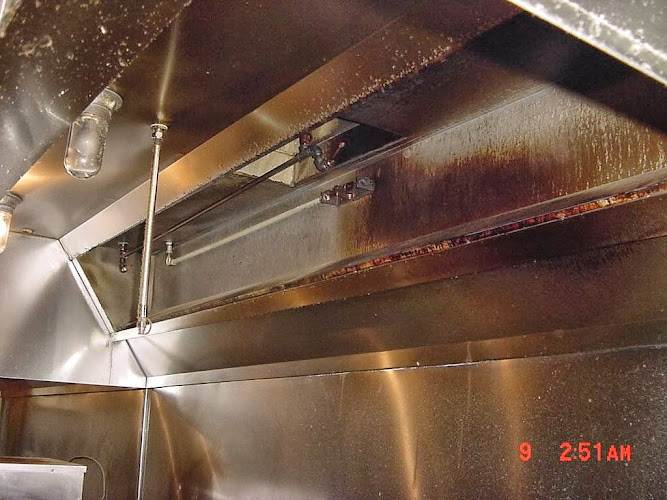
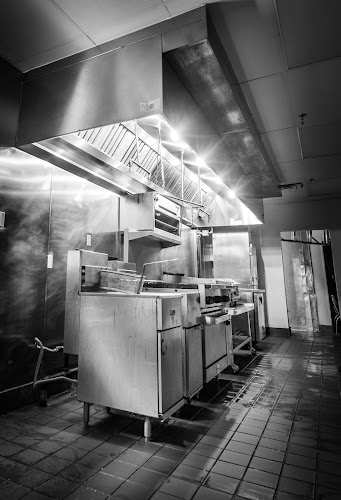
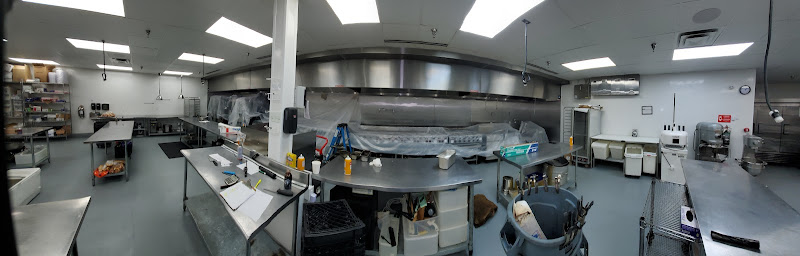
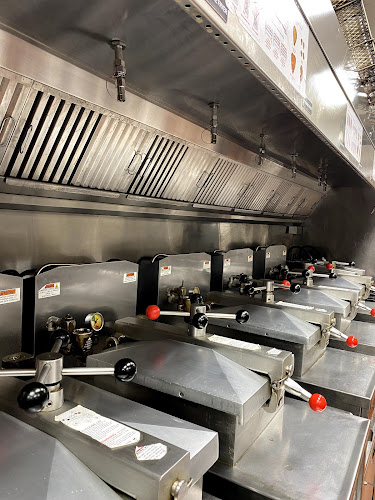
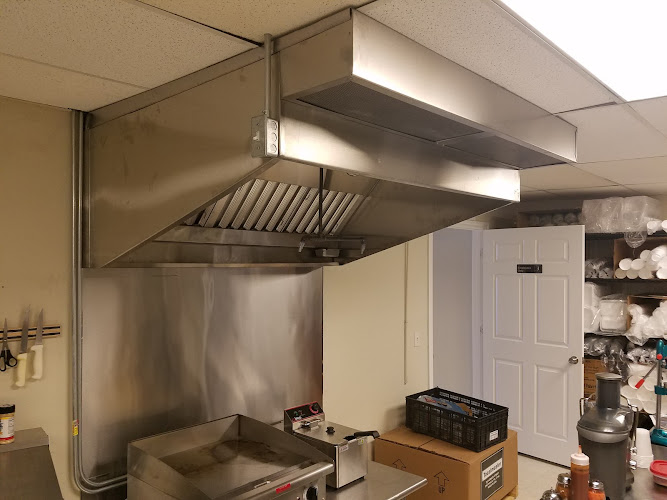
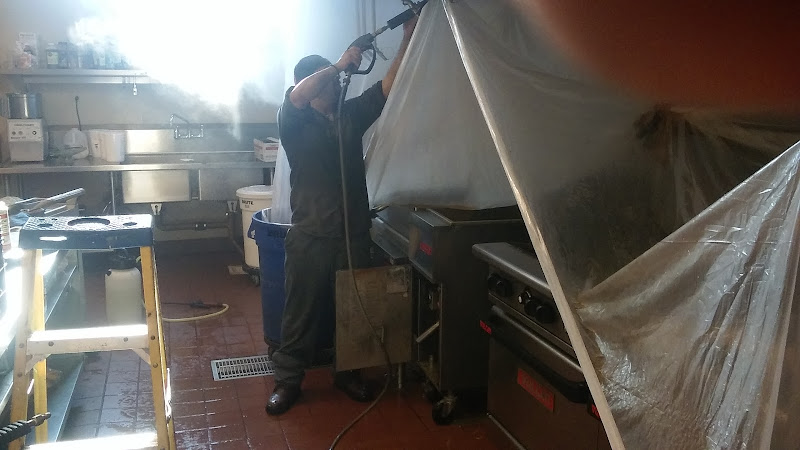
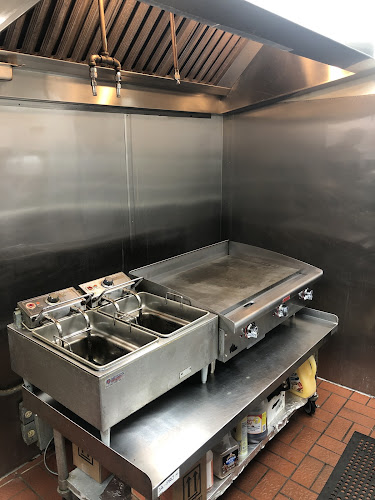
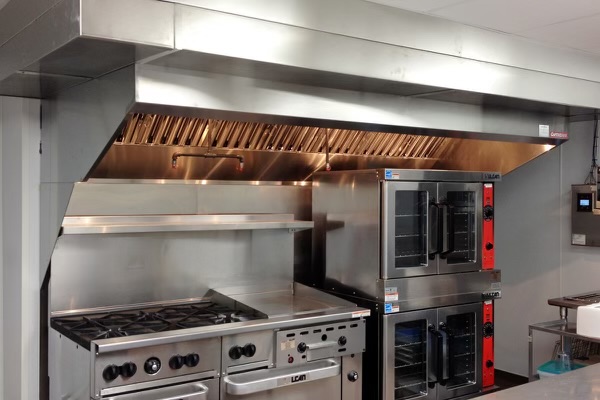
NFPA 96, the Standard for Ventilation Control and Fire Protection of Commercial Cooking Operations, is the bedrock of kitchen fire safety. In Dallas, like most major metropolitan areas, the Dallas Fire-Rescue Department enforces these standards rigorously. Non-compliance isn't just a theoretical risk; it can lead to hefty fines, operational shutdowns, invalidated insurance policies, and, most critically, catastrophic fires that endanger lives and livelihoods. Your kitchen's exhaust hood, ductwork, and cooking appliances must be designed, installed, and maintained according to NFPA 96 to prevent grease fires from spreading and to ensure effective suppression if a fire does occur. This isn't merely a suggestion; it's a legal and ethical imperative for every Dallas restaurant.
The Importance of Semi-Annual Inspections and UL 300 Standards
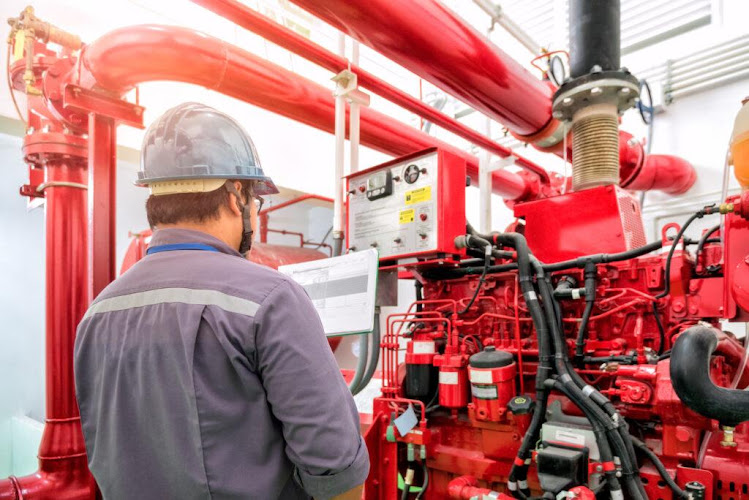
Maintaining your fire suppression system isn't a one-time task. NFPA 96 mandates semi-annual (every six months) inspections and maintenance by a qualified professional. These inspections ensure that all components of your system – from detectors and nozzles to the extinguishing agent and manual pull stations – are fully operational and ready to respond.
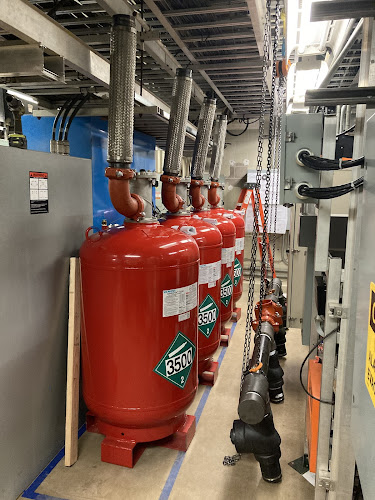
Crucially, your system must also meet UL 300 standards. This standard specifically addresses the unique challenges of modern commercial cooking equipment, which often operates at higher temperatures and uses vegetable oils with higher auto-ignition points. Older fire suppression systems may not be effective against these fires. A UL 300 compliant system uses wet chemical agents designed to cool the fire and create a foam blanket, preventing re-ignition. Ensuring your system is UL 300 compliant and regularly inspected is non-negotiable for effective fire protection in today's commercial kitchens.
Choosing a Qualified Local Contractor in Dallas
Selecting the right fire suppression contractor is a critical decision. You need a licensed, insured, and reputable company with a proven track record in Dallas. Look for contractors who specialize in commercial kitchen systems and are familiar with leading industry brands such as ANSUL, Amerex, Pyro-Chem, Badger, Buckeye, and Range Guard. These manufacturers produce robust, UL 300 compliant systems.
Furthermore, ensure your chosen contractor employs technicians certified by organizations like NICET (National Institute for Certification in Engineering Technologies) or IKECA (International Kitchen Exhaust Cleaning Association). These certifications indicate a high level of expertise and adherence to industry best practices. A local Dallas contractor will also be well-versed in specific local codes and can provide prompt service when you need it most, whether for routine maintenance or emergency repairs.
Prioritizing Safety: The Ultimate Goal
Ultimately, investing in a compliant and well-maintained commercial kitchen fire suppression system is an investment in the safety of your employees and customers. A fire can devastate a business, but more importantly, it can cause serious injury or worse. By understanding and adhering to NFPA 96 and UL 300 standards, performing regular semi-annual inspections, and partnering with a trusted local Dallas fire safety expert, you create a safer environment for everyone who walks through your doors. Your commitment to fire safety reflects your commitment to your community and the longevity of your restaurant.