


Houston Restaurant Owner's Definitive Guide to Kitchen Fire Safety & NFPA 96 Compliance
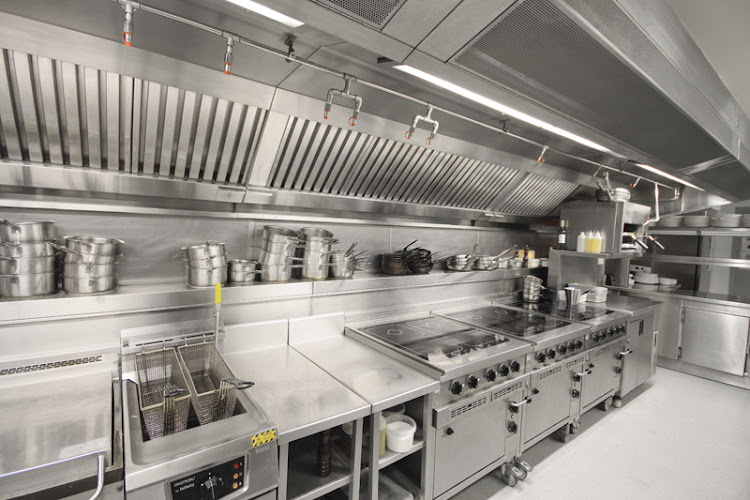
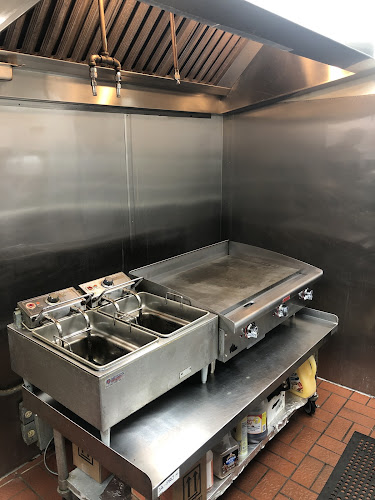
Operating a successful restaurant in Houston, TX, means more than just serving delicious food; it means ensuring the absolute safety of your staff and customers. Commercial kitchens, with their high-heat cooking equipment, grease-laden vapors, and complex ventilation systems, present unique fire hazards. This is precisely why adherence to stringent fire safety codes, particularly NFPA 96, isn't just a recommendation—it's a critical requirement enforced by local authorities, including the Houston Fire Department.
Why NFPA 96 Compliance is Critical in Houston, TX
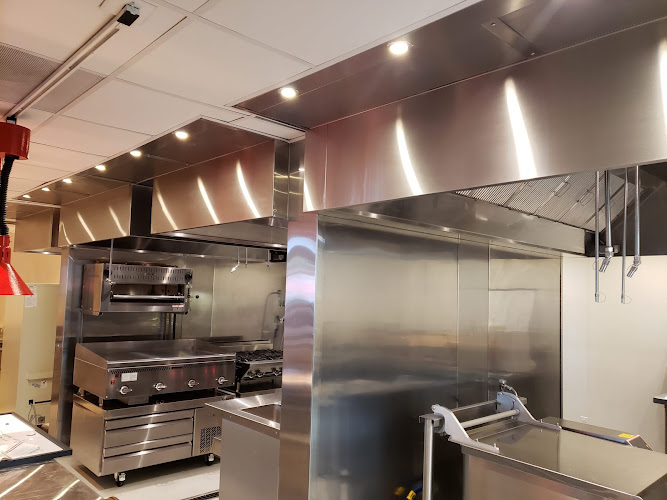
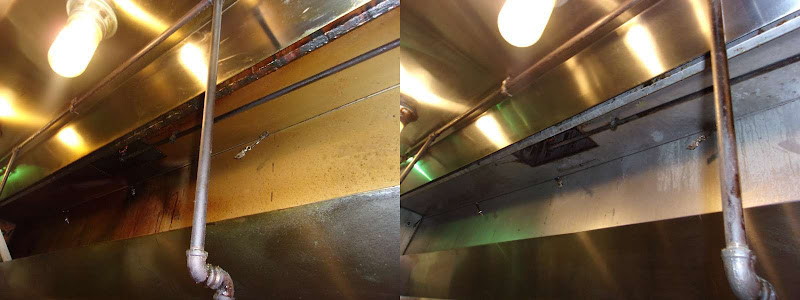
NFPA 96, the Standard for Ventilation Control and Fire Protection of Commercial Cooking Operations, is the cornerstone of kitchen fire safety. It provides comprehensive guidelines for the design, installation, operation, inspection, and maintenance of commercial kitchen exhaust systems and fire suppression systems. For Houston restaurant owners, understanding and complying with NFPA 96 is non-negotiable. Non-compliance can lead to severe consequences, including hefty fines, operational shutdowns, invalidated insurance policies, and, most importantly, catastrophic fires that endanger lives and livelihoods. The Houston Fire Department rigorously enforces these standards to protect the city's vibrant culinary scene and its patrons. Ensuring your kitchen meets these codes is the first step in safeguarding your investment and reputation.
The Importance of Semi-Annual Inspections and UL 300 Standards
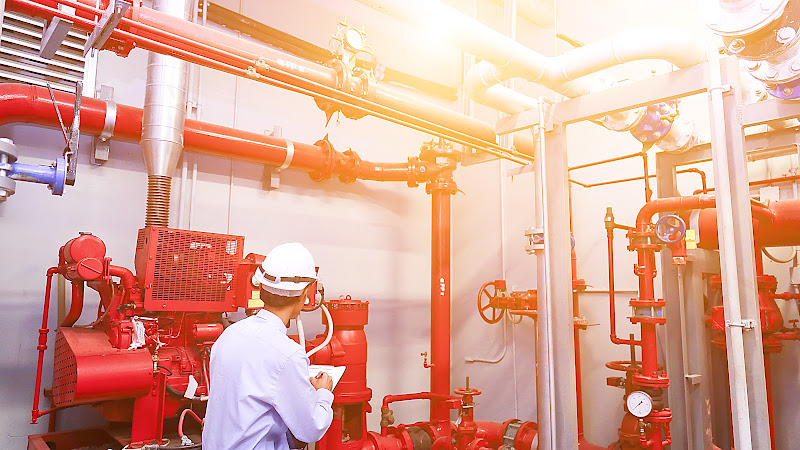
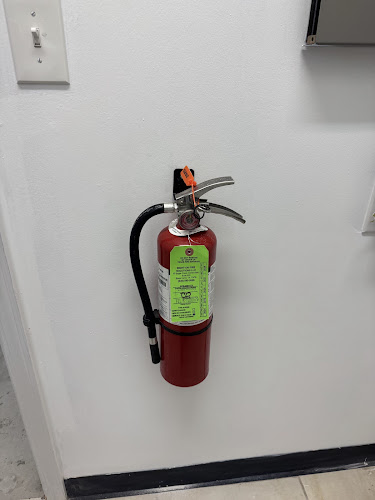
Your kitchen's fire suppression system is your last line of defense against a grease fire. To ensure it's always ready, NFPA 96 mandates semi-annual inspections by qualified professionals. These inspections are not merely a formality; they are thorough checks of every component, from nozzles and detectors to piping and extinguishing agent levels. Furthermore, modern commercial kitchen fire suppression systems must meet UL 300 standards. UL 300 specifies the requirements for wet chemical fire extinguishing systems, which are designed to effectively combat the high-temperature grease fires common in today's kitchens. Older dry chemical systems are often inadequate for modern cooking appliances and may require upgrading to a UL 300 compliant wet chemical system. Regular maintenance and adherence to UL 300 ensure your system will activate correctly and effectively suppress a fire, minimizing damage and ensuring quick recovery.
Choosing a Local Houston Contractor for Your Fire Suppression Needs
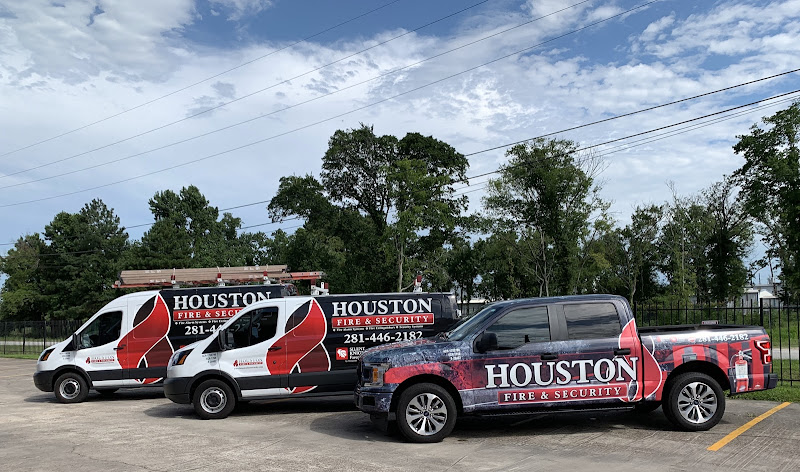
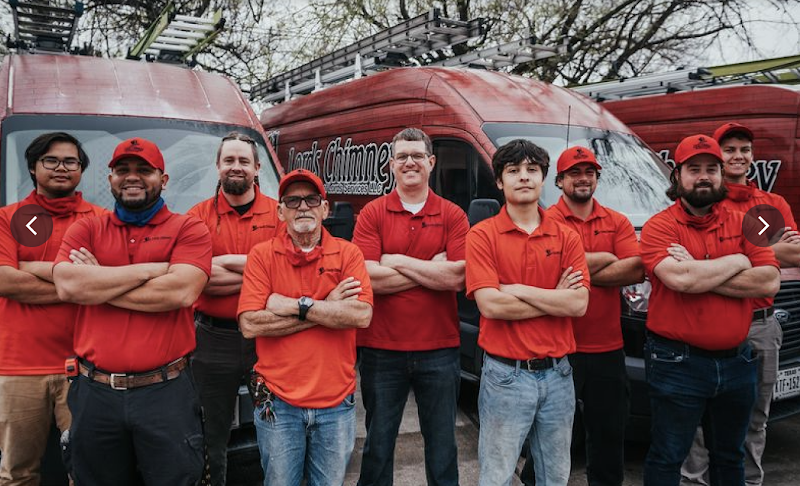
Selecting the right fire protection contractor in Houston is paramount. You need a company with deep expertise in NFPA 96 and UL 300, and a proven track record of working with the Houston Fire Department's specific requirements. Look for contractors who specialize in commercial kitchen systems and are authorized dealers or service providers for industry-leading brands like ANSUL and Amerex. These brands are synonymous with reliability and performance, and a contractor familiar with their systems can provide expert installation, maintenance, and repairs. A reputable local contractor will also offer 24/7 emergency services, understand the nuances of Houston's local codes, and provide transparent documentation of all inspections and services. Don't hesitate to ask for references and verify their certifications.
Prioritizing Safety: Protecting Your Staff, Customers, and Business
Ultimately, investing in a compliant and well-maintained kitchen fire suppression system is an investment in the safety of everyone who walks through your doors. A fire can devastate a business in moments, but proper prevention and protection can mitigate risks significantly. By adhering to NFPA 96, ensuring semi-annual inspections, maintaining UL 300 compliance, and partnering with a trusted Houston fire protection contractor, you create a safer environment for your employees to work and your customers to dine. Prioritizing fire safety isn't just about meeting legal obligations; it's about demonstrating your commitment to the well-being of your community and securing the future of your restaurant.