







San Antonio Restaurant Owners: Your Definitive Guide to Commercial Kitchen Fire Safety & NFPA 96 Compliance
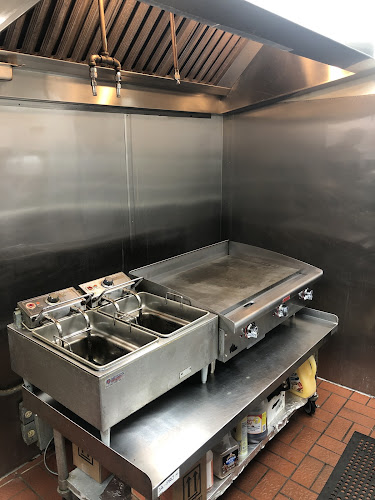
Operating a successful restaurant in San Antonio means more than just serving up delicious food; it means ensuring the absolute safety of your staff, customers, and property. Commercial kitchens, with their high heat, open flames, and grease-laden environments, present unique fire hazards. This is why strict adherence to fire safety codes, particularly NFPA 96, is not just a recommendation but a critical requirement for every San Antonio eatery.
Why NFPA 96 Compliance is Non-Negotiable in San Antonio, TX
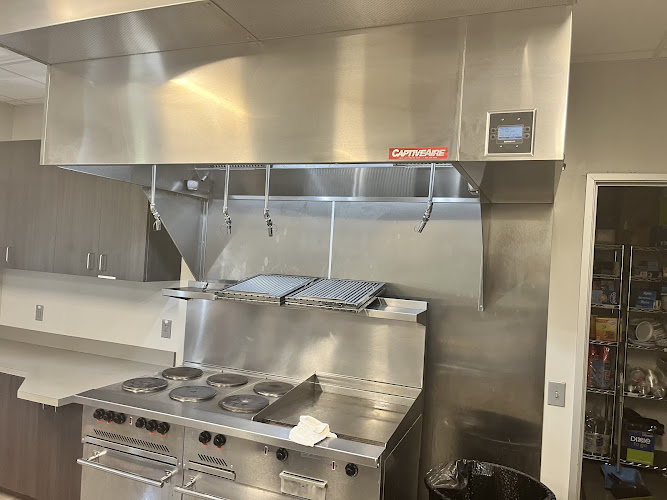
NFPA 96, the "Standard for Ventilation Control and Fire Protection of Commercial Cooking Operations," is the cornerstone of kitchen fire safety. It outlines comprehensive requirements for the design, installation, operation, inspection, and maintenance of exhaust systems and fire suppression systems in commercial kitchens. In San Antonio, as in most major cities, local fire codes are heavily based on or directly adopt NFPA standards. This means the San Antonio Fire Department and local authorities will enforce NFPA 96 to the letter.
Ignoring these standards can lead to devastating consequences: catastrophic fires, severe injuries or fatalities, extensive property damage, costly business interruptions, hefty fines, and even legal liabilities. Compliance isn't just about avoiding penalties; it's about creating a safe working environment and protecting your investment and reputation within the vibrant San Antonio culinary scene.
The Crucial Role of Semi-Annual Inspections and UL 300 Standards
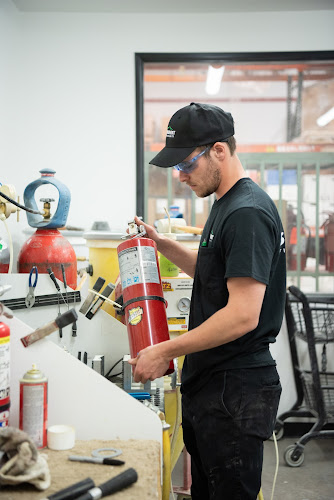
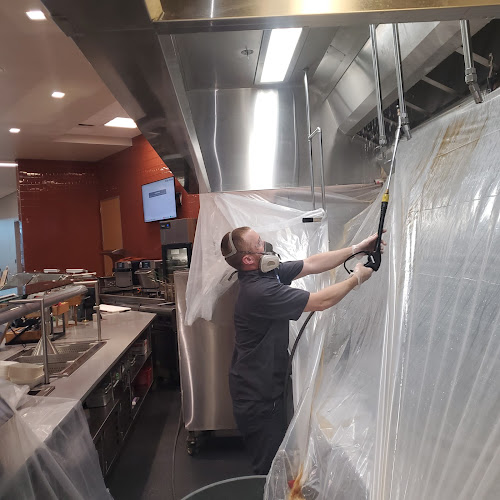
NFPA 96 mandates that commercial kitchen fire suppression systems undergo professional inspection and maintenance at least semi-annually (every six months). For high-volume operations, quarterly inspections may be required. These regular checks are vital to ensure every component of your system – from detectors and nozzles to cylinders and piping – is fully operational and ready to perform in an emergency.
Equally important is ensuring your system meets UL 300 standards. This Underwriters Laboratories standard specifically addresses the fire testing of fire extinguishing systems for the protection of commercial cooking equipment. Modern kitchen fire suppression systems must be UL 300 compliant. Older systems, designed before the prevalence of high-efficiency cooking appliances and vegetable oils, may not be adequate to suppress today's hotter, longer-burning grease fires. A UL 300 compliant system uses wet chemical agents specifically formulated to cool and blanket burning grease, preventing re-ignition.
Choosing the Right Local Fire Suppression Contractor
Selecting a qualified fire suppression contractor in San Antonio is paramount. You need a partner who understands both national standards like NFPA 96 and UL 300, as well as specific local regulations. Look for contractors who are licensed, certified, and have a proven track record in commercial kitchen fire suppression.
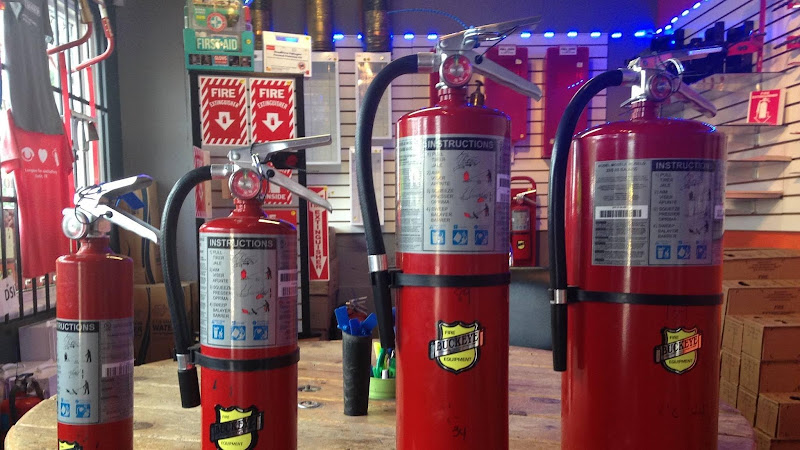
Reputable contractors will work with industry-leading brands such as ANSUL and Amerex, known for their reliability and effectiveness. They should offer comprehensive services, including:
- Installation: Proper design and installation of new systems.
- Inspections: Thorough semi-annual or quarterly checks.
- Maintenance & Repair: Prompt service to address any issues and keep your system in peak condition.
- System Upgrades: Expertise in bringing older systems up to UL 300 compliance.
Don't hesitate to ask for references, proof of licensing, and details about their technicians' certifications. A trusted local expert will be your best ally in maintaining a safe and compliant kitchen.
Prioritizing Safety for Your San Antonio Business
Ultimately, investing in a compliant and well-maintained kitchen fire suppression system is an investment in the safety of your employees and customers. It provides peace of mind, knowing that should a fire occur, your system is ready to activate, minimizing damage and protecting lives. For San Antonio restaurant owners, proactive fire safety isn't just good business practice – it's an ethical imperative that safeguards your entire operation and contributes to the well-being of our community.